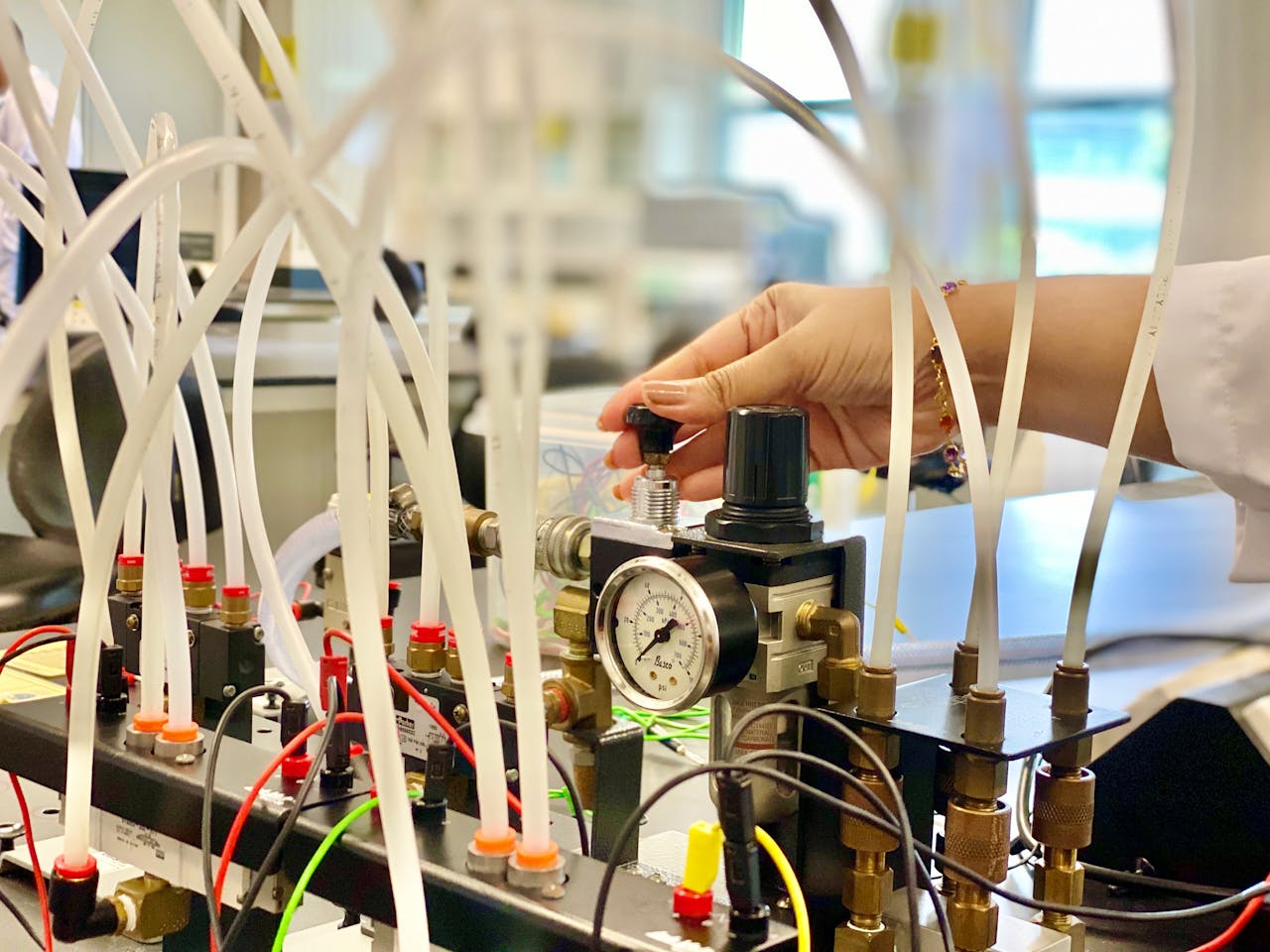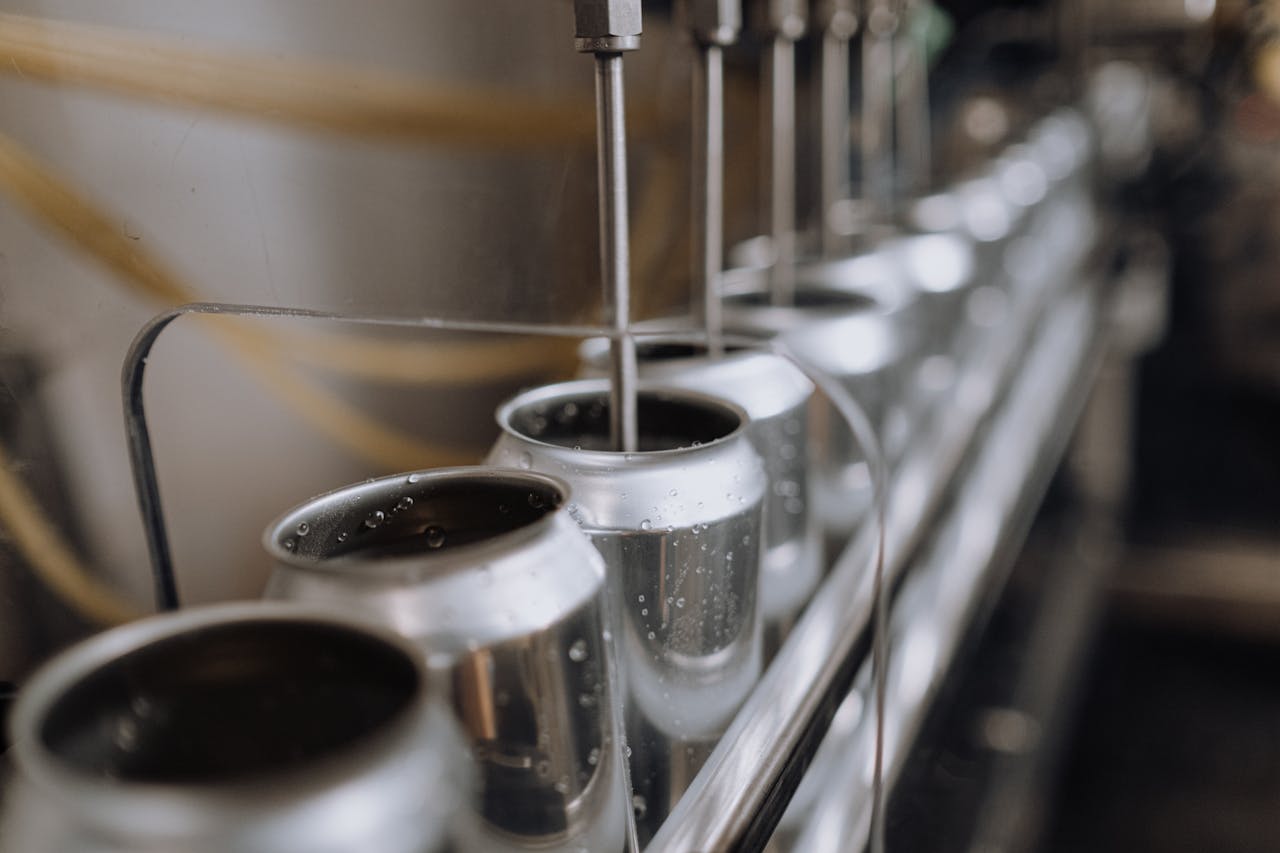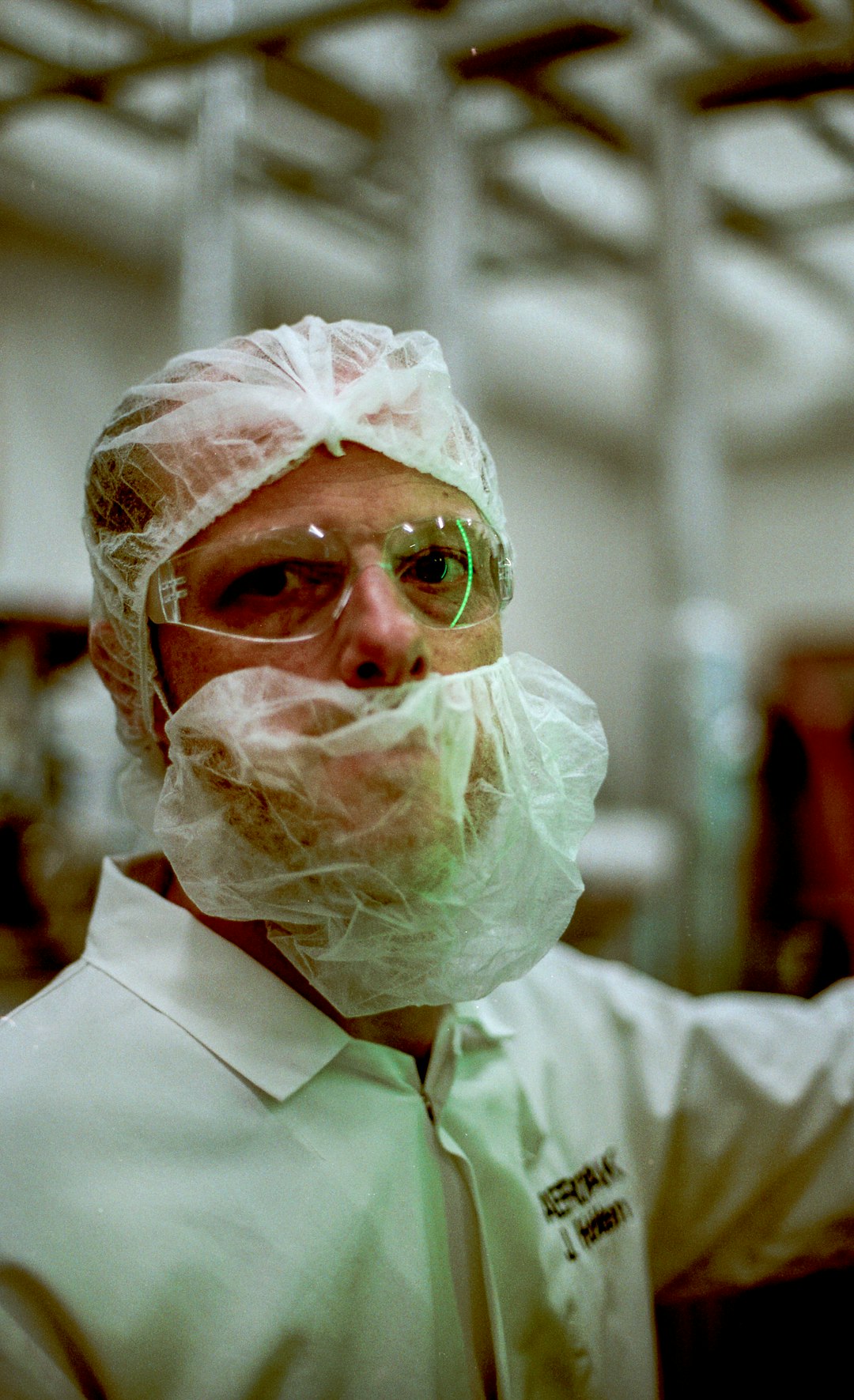
In industrial environments, failure is never just an inconvenience—it is downtime, risk, and lost revenue. Designing for durability means acknowledging that equipment will be exposed to vibration, temperature swings, chemicals, dust, moisture, and operator variability, then deliberately engineering around those realities from day one. Choices like material selection, fastener strategy, sealing methods, and protective coatings are not cosmetic details; they are core design decisions that determine how long a system can survive in the field.
Durability also depends on how easily a product can be inspected, serviced, and repaired. A design that hides critical components behind obstructive panels or requires special tools for basic maintenance invites neglect and workarounds. By prioritizing clear access, standardized hardware, and intuitive layout during design, it becomes far more likely that preventive maintenance actually gets done. Over time, this translates directly into fewer failures, shorter service windows, and more predictable operations for the end user.
Finally, designing for long‑term performance involves thinking beyond the first install and considering the full lifecycle: spares, upgrades, and eventual replacement. When documentation is clear, part numbers are standardized, and interfaces are designed with future flexibility in mind, an asset remains useful and supportable far longer than a quick, short‑term solution. Industrial clients notice when a design keeps performing year after year, and that reputation for durability becomes one of the most powerful differentiators a design firm can have.